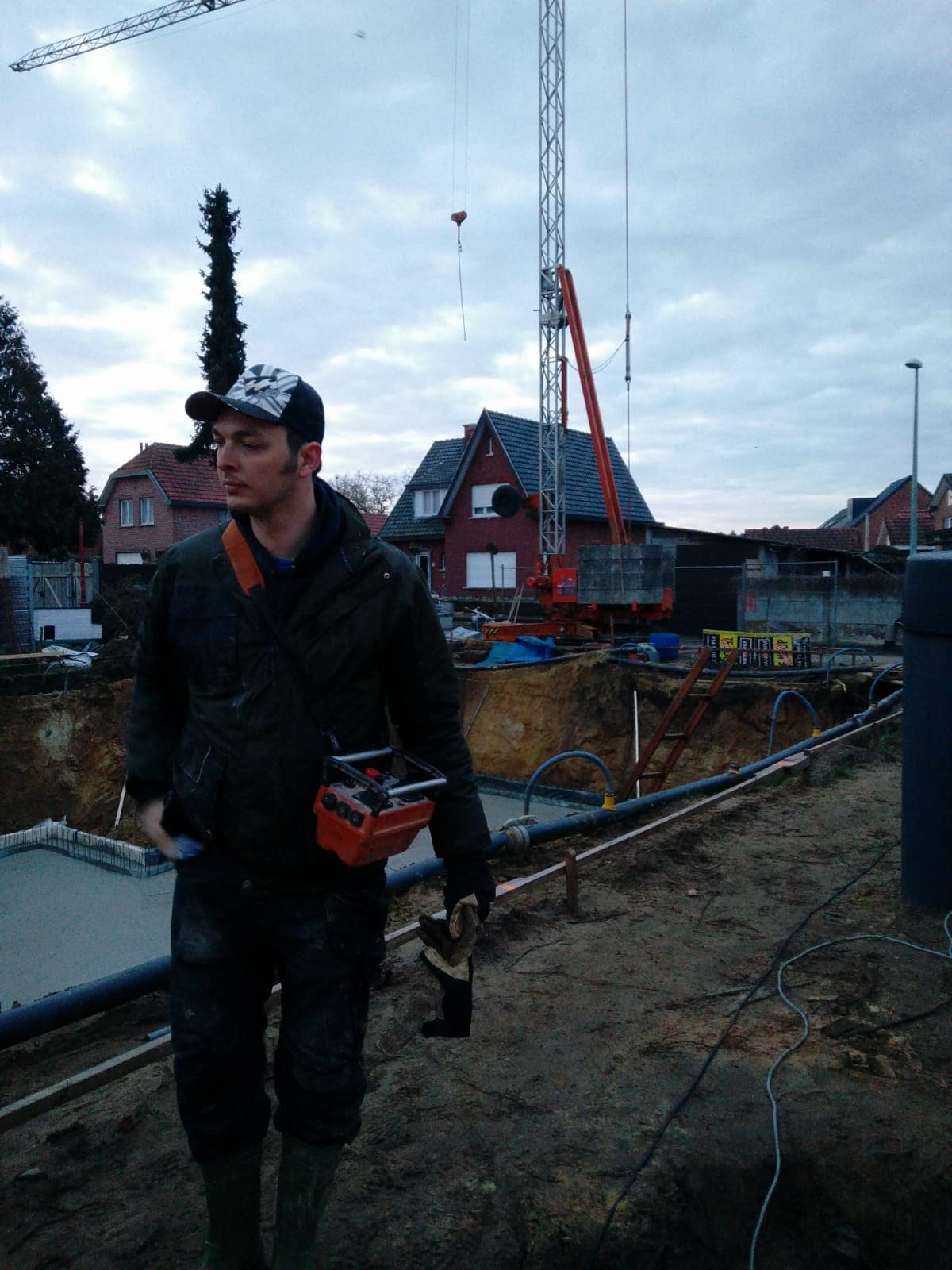
Building a home in Belgium is one of the larger projects a person takes on, and the strange thing about it is that most of the work of holding it together lands on the person who has usually never done it before.
The architect has done it many times. The contractor has done it many times. The homeowner is expected to keep up with both of them, while having a job, and a life, and no real preparation for the work.
My first home, in Vlaams-Brabant, was a new build finished to E-peil 1. We did most of it ourselves, alongside my career. I had a professional background that should have helped: twelve years in software, product, and coordination-heavy roles where the work was making sure the right information was visible at the right time, so decisions could be made on content rather than on whoever was loudest in the room. Telecom, banking, e-commerce, enterprise content. Different sectors, the same kind of problem.
That background helped me learn quickly. But it did not protect me from the cost of learning.
There was the vacation that turned into a choice between dragging the work along or letting the project stall. There was the sick week when the inbox quietly piled up. There was the receipt that never made it from my phone to where it was supposed to live, because the workers needed the materials right now. There was the evening when my partner asked where the budget stood, and I could not give her a clean answer.
By the end of the first build, the house was finished and we were proud of it. We had also paid for the lessons in the currency that costs the most.
A few years later I started the second one. A renovation, also in Vlaams-Brabant, finished to E-peil -6.
This time I went in knowing what the first build had taught me. From the beginning I treated the homeowner side of the project the way I treated coordination problems at work: structured, prepared, on top of the information, decisions tracked. Keeping the information moving between architect, contractor, and ourselves (latest plans, latest decisions, latest agreements) still took work. The architect runs much of that, but the homeowner has to hold their own thread on what they decided and where things stand. The work was still mine, but I had a system underneath me. That made the difference: I had room to breathe while doing it.
My architect on the renovation said afterwards that ours was one of the most efficient homeowner-led projects she had worked on. Working with the contractors did not produce the kind of stories the industry is full of, because the discipline meant problems got caught while there was still room to correct them, instead of after the fact. And I finished the build with something still in the tank, which is not how the first one had ended.
What I slowly understood is that the difference was not me.
It was that the homeowner side, for once, was being run with the same kind of discipline as the architect and contractor sides. All three corners of the project were carrying their weight. Most builds are not harder than they need to be because homeowners are bad at this. They are harder because the homeowner side is structurally under-equipped, and the work that would fix that is too much to ask of someone who is learning the whole thing on the most expensive project of their life.
So I started building something. I turned the working pattern from my second build into software for a problem I had lived twice. Friends, and friends of friends, were already finding their way to me with the same questions, which made it clear the pattern was not just mine.
Hemma is built for people on their first project, doing the admin side with the discipline the rest of the triangle takes for granted. It absorbs what lands in your inbox, links it to your budget, tracks your decisions, and only surfaces what actually needs you.
Quietly, in the background.
So the time and energy you would have spent chasing information can go to what actually matters: deciding on the home you are building, with your head clear, not against a deadline because the pressure caught up with you.
You stay the person making the decisions. Hemma gives you the room to make them well.